Managing CRITICAL STEPS
What is a Critical Step? A human action that will initiate immediate, irreversible, intolerable harm to an asset, if that action or a preceding Risk Important Action (RIA) is performed improperly. Critical Steps happen every day at work and at home. Work does not happen otherwise.
Starts at: $597 Per Seat
Discounts available based on volume
CRITICAL STEPS
Work = Risk. Work is energy directed by people to create value. If an operation has the capacity to do work, it has the capacity to do harm. But people are imperfect. Workers, including managers, make mistakes. Therefore, work is the use of force under conditions of uncertainty—human fallibility.
Safety. Consequently, absolute safety is impossible to achieve with any human endeavor. Risk—the specter of losing control of hazards—is continually present. Most operations require some degree of human oversight and/or control of work. That means that some human actions MUST go right the first time, every time—when “failure is not an option.”
Operational safety is achieved through two sources. There are fixed sources of safety—controls, barriers, and safeguards—designed and built into a technology and its physical structures. However, there are variable sources of safety attributable to the organization and conduct of work—via human performance, which must be managed in real time at the worksite. Therefore, safety is what people do to protect assets from harm during work—in a manner of speaking, people ‘complete the design’ through their capacity to respond to gaps in the original design.
Introduces learners Critical Steps —single human actions where an error can cause certain, irreversible, and intolerable harm. It also explains Risk-Important Actions and Risk-Important Conditions that must be established beforehand so the Critical Step can be performed safely and work can “fail safely” if conditions change.
Orients the student as to how to think about the attributes associated with a Critical Step. Participants learn the six defining attributes of a Critical Stepand how to use hold points, verification of conditions, and team communication to execute these moments with precision and prevent serious incidents.
Explains how work creates value while also introducing risk when humans interact with hazards around valuable assets, especially during Critical Steps where small errors can cause major harm. It introduces the Human Performance Risk Management Model (assets, hazards, humans, pathways, and touchpoints) to help teams proactively maintain control and prevent events.
Explains work as a three-phase Work Execution Process—Preparation, Execution, and Learning—and shows how risk-based thinking helps teams manage hazards and protect critical assets. It also introduces practical human performance tools (like RU-SAFE, the two-minute drill, and postwork reviews) to stay in control during Critical Steps and continuously improve by learning from work-as-done.
Explains the hierarchy that leads to a Critical Step —Risk-Important Actions (RiA) and the Risk-Important Conditions (RiC) they create—and why managing them early prevents severe outcomes in high-risk work. It teaches learners to distinguish RiA, RiC, and Critical Steps by timing, purpose, impact, and reversibility, and to apply HOP tools (e.g., self/peer-checking, independent verification, checklists, and hold points) to verify safe conditions before proceeding.
Explains positive control and precision execution for safely performing Critical Steps by ensuring the intended outcome happens exactly as planned. It also covers defense-in-depth (Controls, Barriers, Safeguards) and how expert intuition, slow thinking, and team conversations help workers recognize risk, verify conditions, and prevent harm.
Introduces an Operational Excellence mental model for managing Critical Steps in high-risk work, showing how system weaknesses, error traps, and Risk-Important Actions/Conditions shape frontline performance at the touchpoint. It also explains how leaders build positive control using defenses, embed Critical Step Management into the work execution process, and strengthen adaptive capacity so teams can detect, respond, and fail safely when conditions change.
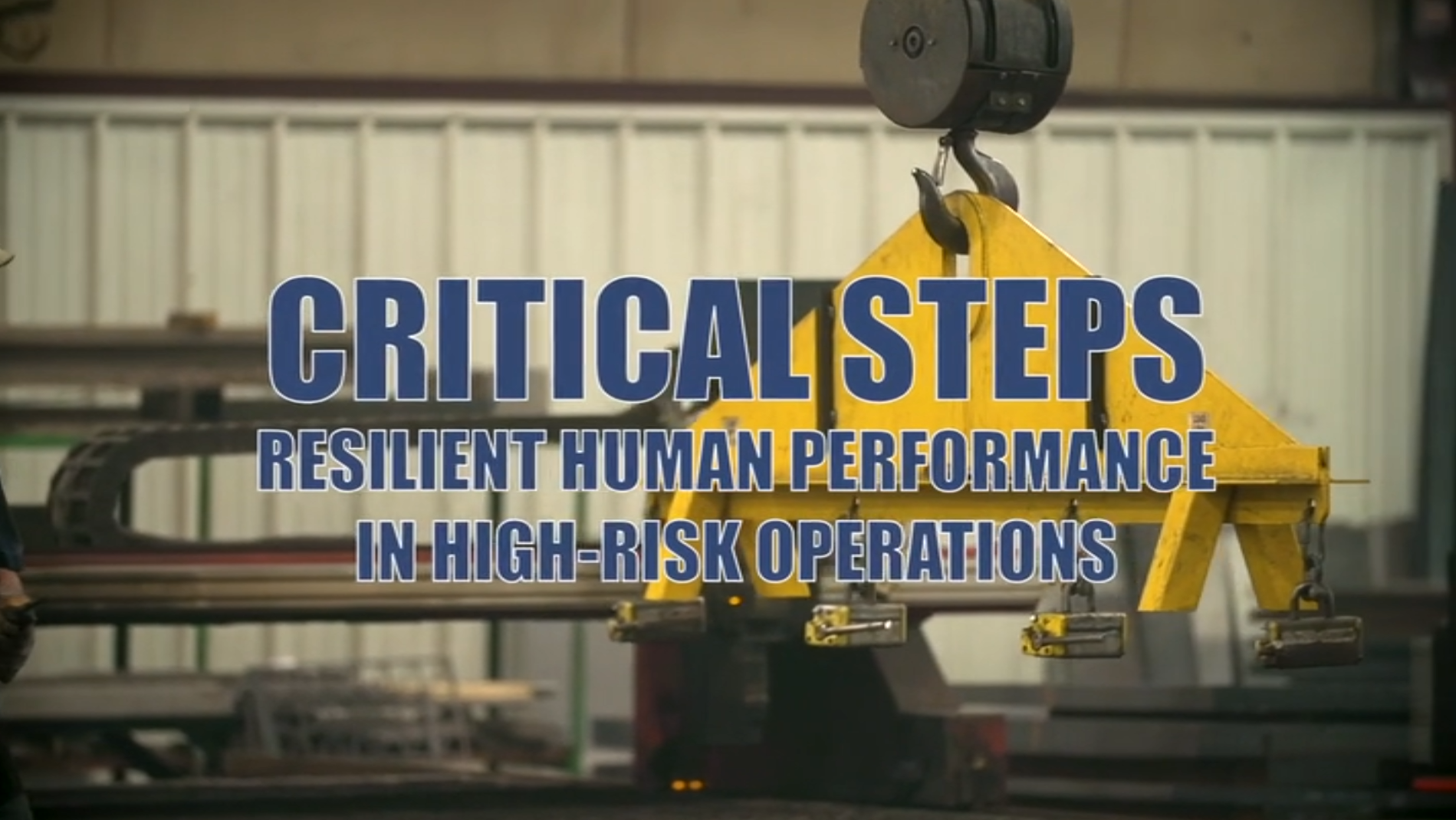
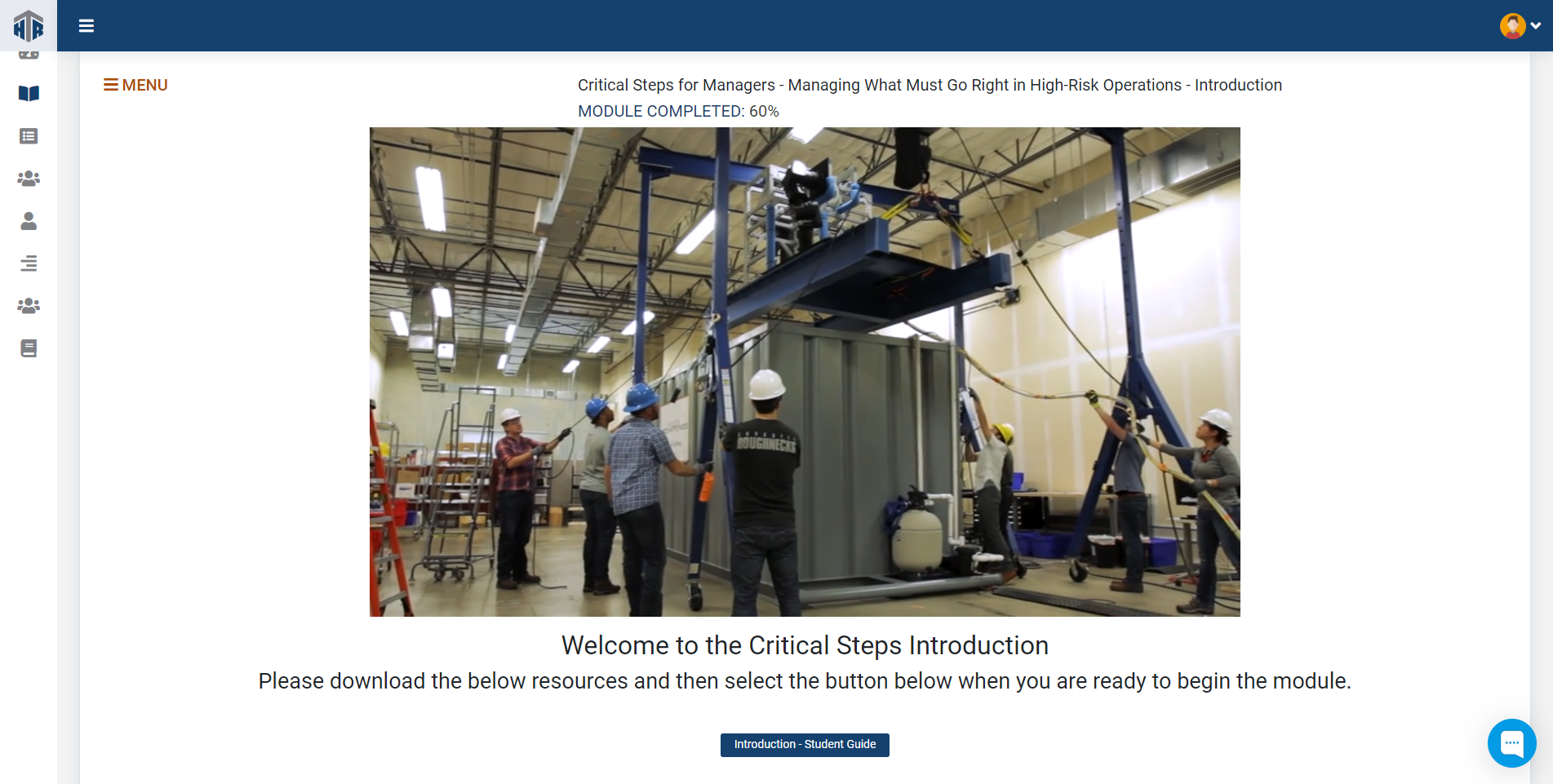
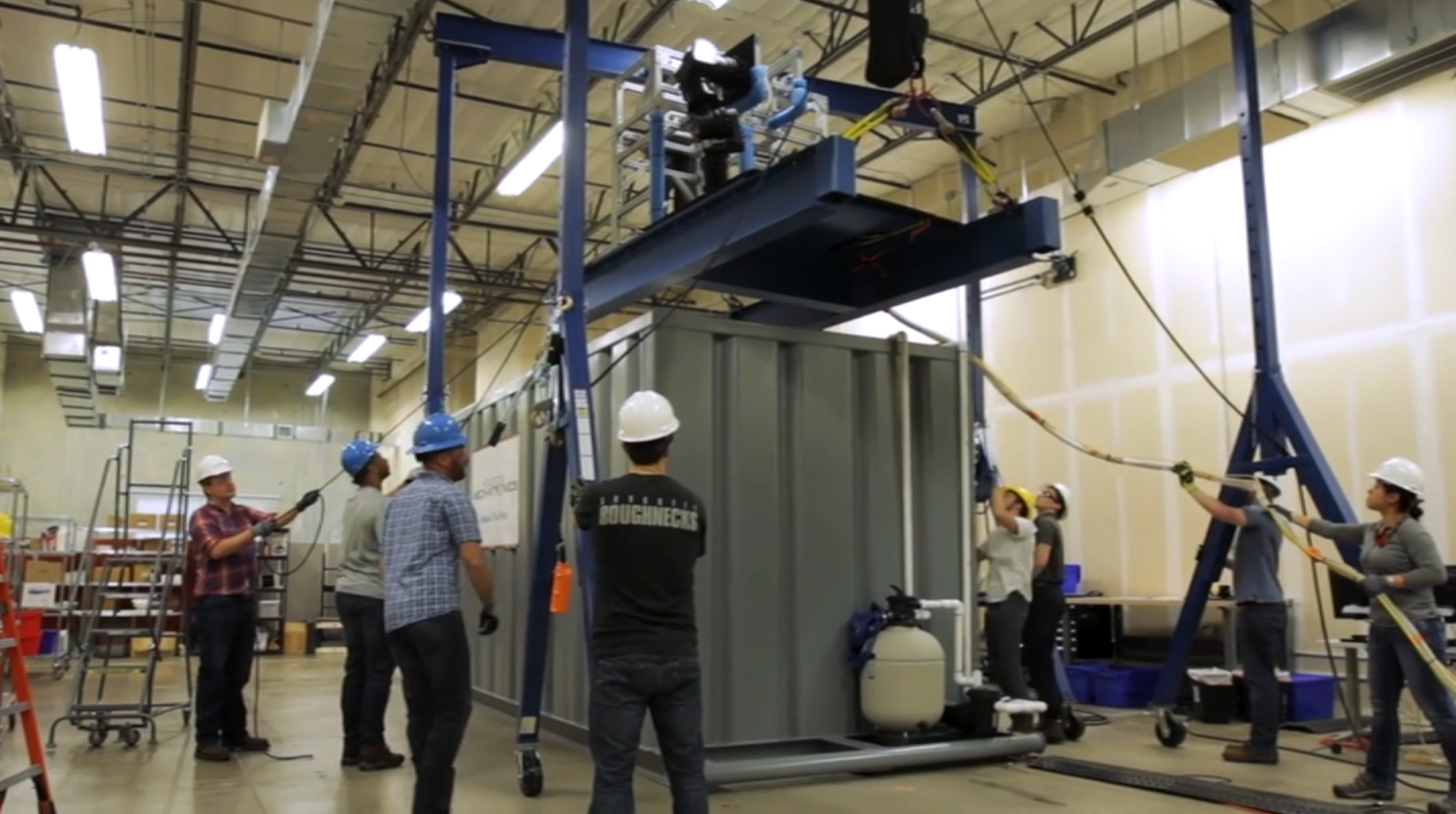
CRITICAL STEPS - Managing What Must Go Right in High-Risk Operations
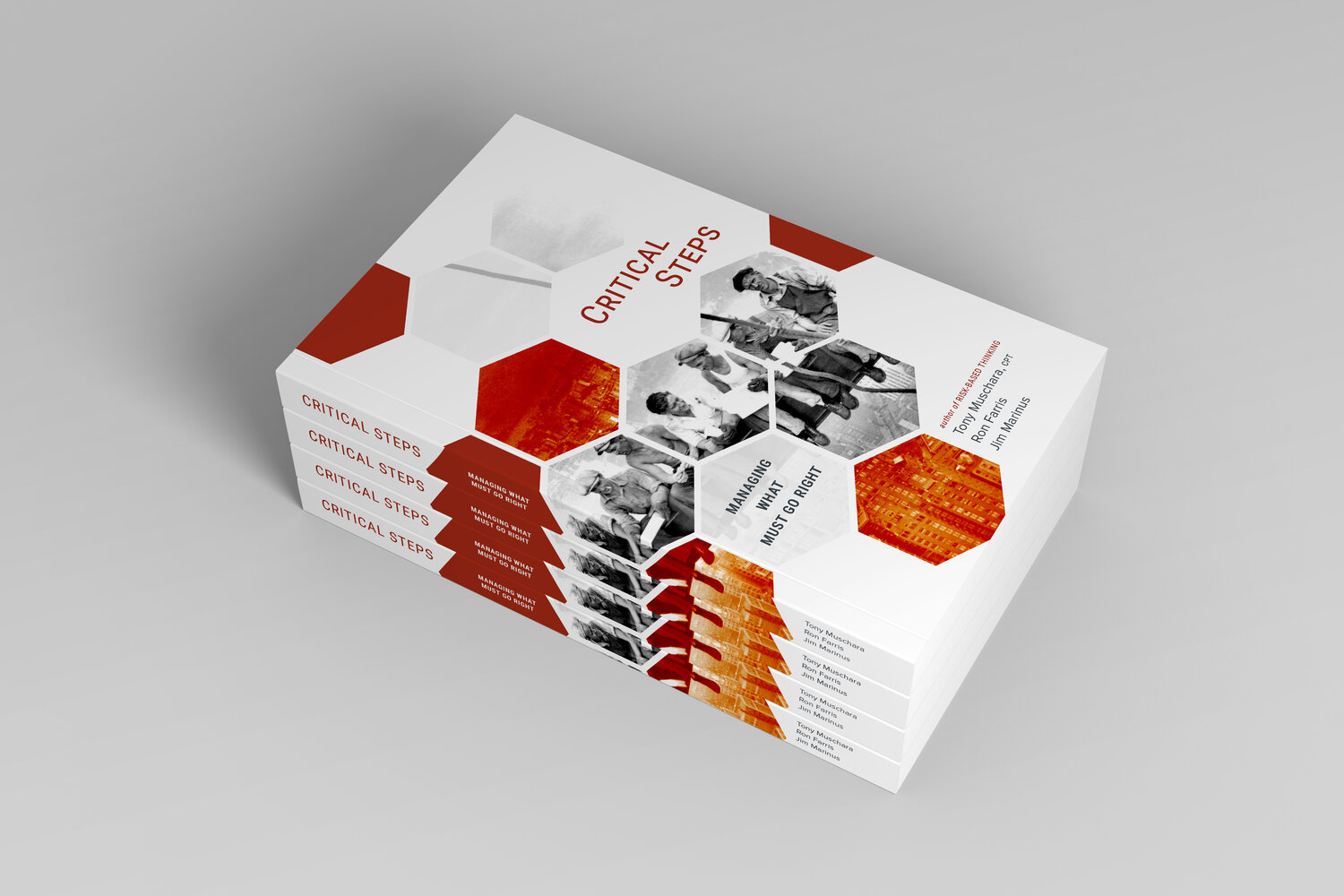
The overarching goal of managing Critical Steps is to maximize the success (safety, reliability, productivity, quality, profitability, etc.) of people’s performance in the workplace, to create value for the organization without losing control of built-in hazards necessary to create that value.
Take a sneak peek into the book that our Critical Steps™ video-based training is based off of here.
CRITICAL STEPS Objectives
Note: Optional enhanced objectives can be customized to any desired focus area or audience for our training courses.
Identify
Exercise
Fail
Align
Meet our Authors
Professional Experience
Ron Farris
President and Owner
Ron is the co-author of Critical Steps: Managing What Must Go Right in High-Risk Operations, a globally recognized book on HRO/HOP principles that has sold worldwide. As a former U.S. Navy nuclear program veteran, senior reactor operator, human performance manager, research scientist, and accident investigator, Ron brings a unique blend of practical and academic expertise. He has worked extensively with organizations such as the Nuclear Regulatory Commission (NRC), Electric Power Research Institute (EPRI), and Department of Energy (DOE), providing critical insights into human performance improvement (HPI), HRO, HOP, event investigation, and safety culture development. His work has had a lasting impact on industries including nuclear energy, mining, petrochemical, and electrical power generation.
Ron is also a former adjunct professor at the University of Idaho, where he taught courses
for the Human Performance Certificate Program and Accident Investigation. His blend of real-world experience and academic contributions makes him a sought-after consultant, thought leader, and keynote speaker in the fields of operational excellence and human performance.
Tony specializes in human error management, a risk-based approach to managing human risk. Tony has served on nuclear industry working groups associated with human performance (Electric Power Research Institute - EPRI and Nuclear Energy Institute – NEI), and he has presented papers at several industry meetings including several IEEE conferences on human factors and power plants.
Tony has written, "Risk-Based Thinking" a comprehensive guide for management to consider when managing and leading in High Reliability Organizations. Highly recommended by Risked Based Training.
Jim is skilled in executing and supporting research, operations, engineering, and maintenance. He is passionate about establishing worker-centric practices to manage risk by enabling competence and providing for 'what must go right.' He helps high risk/complex organizations re-establish operational clarity, providing better support for their people through tailored planning and field-based learning. He possesses an in-depth understanding of human performance improvement (HPI) principles and practices. He excels in helping organizations establish workable safety policy, standards, and implementation approaches that enable and promote sustained reliability and resilience in human and organizational performance. Workforces and leaders have recognized his effectiveness in helping their teams ensure continued success. He has a B.S. degree in Technology (Nuclear).
